There are Places that do not let you leave. Savannah is one of them — the heat that presses against your chest like a hand, the Spanish moss that hangs in strings from oaks older than the republic, the graveyards so thick you can walk from one to the next without ever crossing a street that doesn’t have a ghost story. Josie Blackthorn grew up inside that humidity, inside that history, and when the world told her what she was supposed to become, she heard something else entirely.
She built Misfit Mindset with her hands and her refusal. Not a brand. Not a label. A survival architecture — a framework for the people the world tried to erase, the outcasts the industry has no shelf for, the ones whose pain does not come pre-packaged for someone’s marketing calendar. She drew the blueprint, wrote the manifesto, cut the first patterns, and pressed the first samples herself. Every design is a wound she chose to wear out loud. Every drop is a document of what it costs to refuse compliance.
We do not decorate bodies. We armor them.
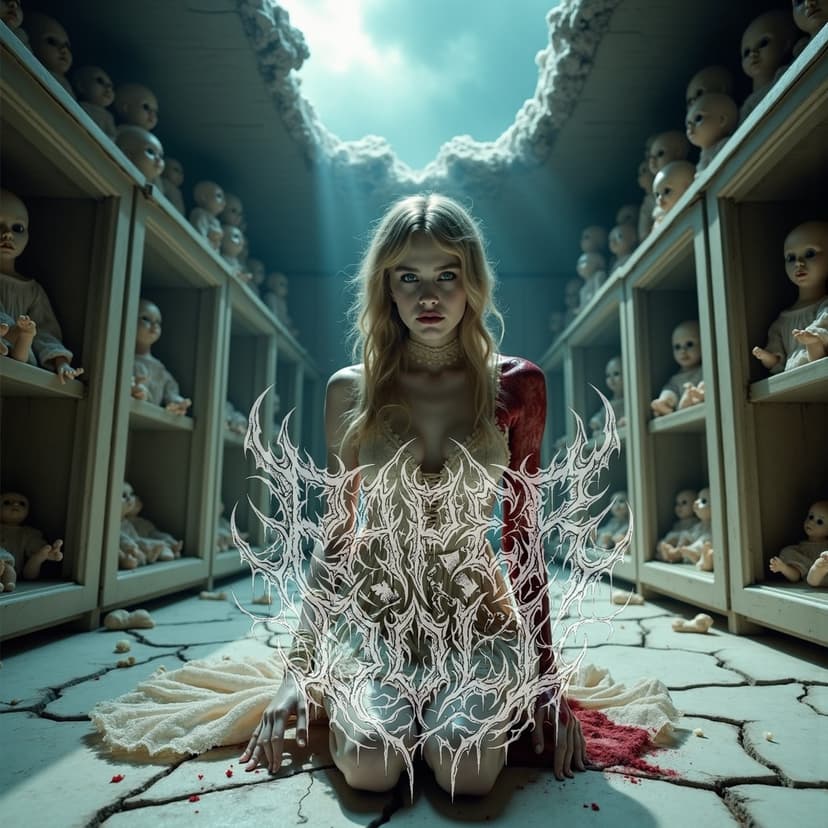
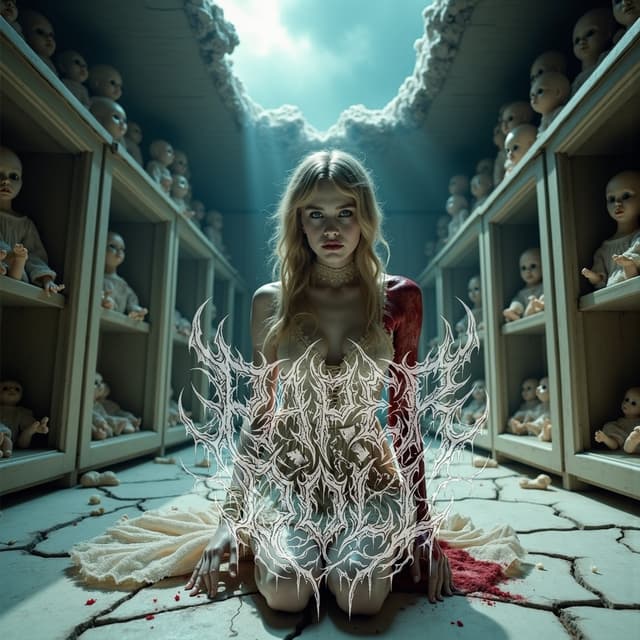
When she steps to a microphone, what comes out is not performance — it is excavation. Clean vocals layered over screams, because grief does not choose one register. Whispers that open into walls of sound, because survival is never quiet. Her solo work is something apart from the band: a solo project called Paper Doll that catalogues every version of herself she had to outgrow. Seventeen tracks, one for each year that almost killed her. “Porcelain” opens the record with a promise that everything fragile will break. “Scar Tissue” sits near the end like a map of every wound she stopped hiding. And the title track — six minutes and twenty-six seconds of a woman refusing to apologize for the shape she’s in — closes the book on the girl the world wanted and introduces the one who survived.
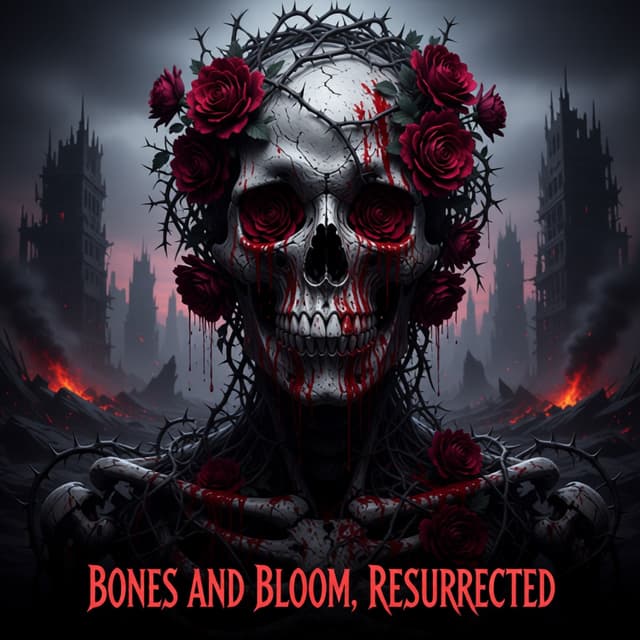
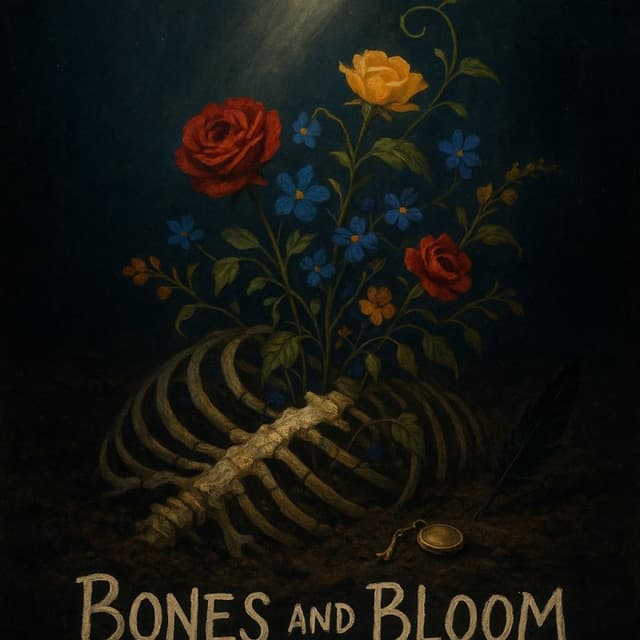
Paper Doll is not her only chapter. Bones and Bloom came first — a meditation on the things we bury and the things that grow from the graves we dig. Its resurrected version strips the production back to something rawer, closer to the bone, as if the album itself refused to stay buried. But Paper Doll is where the manifesto becomes a record: proof that the broken ones don’t disappear. They build something the world has never seen.